
identity platform to
identity platform to Streamline User Onboarding

.png)






.webp)








Drive business growth with
RisewithProtean

Convert More Users

Launch Journeys Faster

Stay Ahead of Fraudsters
.webp)
Simplify Vendor Management
India’s first multi-sector identity and on boarding platform with over 100+ APIs, Micro services, and User journeys
Simplify Customer On
boarding and Compliance
.webp)
Effortless Integration for Developers

Scalable, Reliable, and Built for Growth

Unmatched Security and Regulatory Compliance
.webp)
Innovate and Build Tailored Workflows

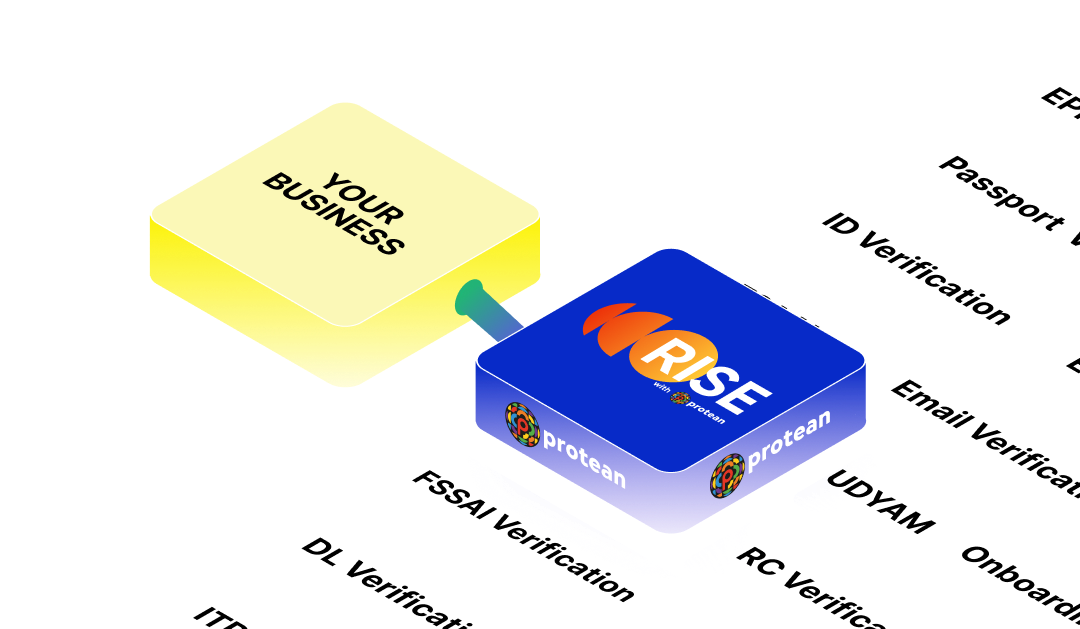


Identity verification is essential to establish trust and security in online transactions, preventing fraud and ensuring compliance with regulatory requirements. Verified data sets play a pivotal role in maintaining the integrity of financial processes. Digital identity verification is crucial for establishing trust and security in online transactions and user onboarding.
The identity verification process typically involves the collection and analysis of personal information and documentation. You can verify a user’s identity online through various methods, including verifying details such as name, address, date of birth, and other relevant information with credit bureaus. Other methods such as biometric verification includes biometric data, such as facial recognition, to enhance accuracy and document verification (e.g., passport), phone verification. These methods ensure that the person presenting the information is the same person claiming to be during the onboarding process.
Implementing robust identity verification processes for seamles onboarding not only enhances security but also attracts more customers. The confidence instilled by secure onboarding processes is crucial for gaining the trust of new customers and retaining existing ones, ultimately leading to business growth.
Identity verification plays a crucial role in fraud prevention by adding an additional layer of security. By confirming the identity of individuals, businesses can reduce the risk of fraudulent activities, such as identity theft and account takeovers. This process helps in ensuring that only authorized users gain access to sensitive information or services, minimizing the chances of malicious actors exploiting online systems. By implementing robust identity verification measures, organizations can build trust with their users and create a more secure online environment.
Identity documents that can be verified in the digital identity verification process include a variety of government-issued documents. Common examples include passports, which are widely recognized internationally, and social security number, which are often used for identity verification in the United States. Other documents include driver’s license, national identification cards, and government-issued photo IDs. The choice of documents may depend on the specific requirements of the verification process and the jurisdiction in which it is conducted. Find a complete list of documents here.
The Voter ID Verification API enables businesses to verify voter ID details quickly and securely. It validates key information such as the voter ID number, name, and address against the government database, ensuring accuracy during onboarding or verification processes.
The Bank Account Verification API confirms the validity and ownership of a bank account by initiating a micro-transaction (penny drop). This ensures the bank account provided is active and owned by the individual, preventing fraud in payments, refunds, and disbursements.
The Mobile Verification API with OTP allows businesses to verify user phone numbers securely by sending a one-time password (OTP). Along with customer history fetch, this API provides valuable insights into user activity, ensuring accuracy in identity verification and reducing fake registrations.
The DL Verification API allows businesses to verify the authenticity of a driver's license. By cross-checking the license number and details with government records, this API ensures accurate onboarding for industries like insurance, logistics, and car rentals.
The Email Verification API validates email addresses in real-time, ensuring they are active and correctly formatted. This reduces the risk of undelivered messages, spam, and fraudulent sign-ups, enabling secure and accurate user communication.
The Udyam Certificate Verification API helps businesses validate MSME registrations through the Udyam portal. It ensures compliance with government policies and verifies authenticity, making it ideal for lenders, banks, and government organizations.
The Passport Verification API enables quick and accurate validation of passport details such as passport number, name, and expiry date. It is widely used in industries like travel, BFSI, and immigration to prevent fraudulent activities and ensure compliance.
The MCA API fetches critical details about companies and LLPs from the Ministry of Corporate Affairs database, including CIN, company name, directors, and compliance status. It is vital for due diligence, risk assessment, and B2B verification.
The EPF UAN Lookup API helps businesses verify employee provident fund (EPF) details, ensuring compliance and accurate payroll management. It is particularly beneficial for HR and payroll teams to validate UAN details securely.
The Vehicle RC Verification API retrieves key information about a vehicle, such as registration number, owner details, and vehicle type. This is critical for industries like insurance, transportation, and vehicle leasing to validate vehicle ownership and streamline operations.
identity platform to
identity platform to Streamline User Onboarding
Drive business growth with
RisewithProtean
Convert More Users
Launch Journeys Faster
Stay Ahead of Fraudsters
Simplify Vendor Management
India’s first multi-sector identity and on boarding platform with over 100+ APIs, Micro services, and User journeys
Simplify Customer On
boarding and Compliance
Effortless Integration for Developers
Scalable, Reliable, and Built for Growth
Unmatched Security and Regulatory Compliance
Innovate and Build Tailored Workflows
Identity verification is essential to establish trust and security in online transactions, preventing fraud and ensuring compliance with regulatory requirements. Verified data sets play a pivotal role in maintaining the integrity of financial processes. Digital identity verification is crucial for establishing trust and security in online transactions and user onboarding.
The identity verification process typically involves the collection and analysis of personal information and documentation. You can verify a user’s identity online through various methods, including verifying details such as name, address, date of birth, and other relevant information with credit bureaus. Other methods such as biometric verification includes biometric data, such as facial recognition, to enhance accuracy and document verification (e.g., passport), phone verification. These methods ensure that the person presenting the information is the same person claiming to be during the onboarding process.
Implementing robust identity verification processes for seamles onboarding not only enhances security but also attracts more customers. The confidence instilled by secure onboarding processes is crucial for gaining the trust of new customers and retaining existing ones, ultimately leading to business growth.
Identity verification plays a crucial role in fraud prevention by adding an additional layer of security. By confirming the identity of individuals, businesses can reduce the risk of fraudulent activities, such as identity theft and account takeovers. This process helps in ensuring that only authorized users gain access to sensitive information or services, minimizing the chances of malicious actors exploiting online systems. By implementing robust identity verification measures, organizations can build trust with their users and create a more secure online environment.
Identity documents that can be verified in the digital identity verification process include a variety of government-issued documents. Common examples include passports, which are widely recognized internationally, and social security number, which are often used for identity verification in the United States. Other documents include driver’s license, national identification cards, and government-issued photo IDs. The choice of documents may depend on the specific requirements of the verification process and the jurisdiction in which it is conducted. Find a complete list of documents here.
The Voter ID Verification API enables businesses to verify voter ID details quickly and securely. It validates key information such as the voter ID number, name, and address against the government database, ensuring accuracy during onboarding or verification processes.
The Bank Account Verification API confirms the validity and ownership of a bank account by initiating a micro-transaction (penny drop). This ensures the bank account provided is active and owned by the individual, preventing fraud in payments, refunds, and disbursements.
The Mobile Verification API with OTP allows businesses to verify user phone numbers securely by sending a one-time password (OTP). Along with customer history fetch, this API provides valuable insights into user activity, ensuring accuracy in identity verification and reducing fake registrations.
The DL Verification API allows businesses to verify the authenticity of a driver's license. By cross-checking the license number and details with government records, this API ensures accurate onboarding for industries like insurance, logistics, and car rentals.
The Email Verification API validates email addresses in real-time, ensuring they are active and correctly formatted. This reduces the risk of undelivered messages, spam, and fraudulent sign-ups, enabling secure and accurate user communication.
The Udyam Certificate Verification API helps businesses validate MSME registrations through the Udyam portal. It ensures compliance with government policies and verifies authenticity, making it ideal for lenders, banks, and government organizations.
The Passport Verification API enables quick and accurate validation of passport details such as passport number, name, and expiry date. It is widely used in industries like travel, BFSI, and immigration to prevent fraudulent activities and ensure compliance.
The MCA API fetches critical details about companies and LLPs from the Ministry of Corporate Affairs database, including CIN, company name, directors, and compliance status. It is vital for due diligence, risk assessment, and B2B verification.
The EPF UAN Lookup API helps businesses verify employee provident fund (EPF) details, ensuring compliance and accurate payroll management. It is particularly beneficial for HR and payroll teams to validate UAN details securely.
The Vehicle RC Verification API retrieves key information about a vehicle, such as registration number, owner details, and vehicle type. This is critical for industries like insurance, transportation, and vehicle leasing to validate vehicle ownership and streamline operations.